Academic programs
Integrating research and education: academic programs and scientific training at MELIS.
Integrating research and education: academic programs and scientific training at MELIS.
Teaching
Educating tomorrow’s health and biomedical professionals
Through its undergraduate and graduate programs, the Department of Medicine and Life Sciences (MELIS-UPF) delivers premier university training at the Faculty of Health and Life Sciences. Founded in 1998 with an innovative Bachelor’s Degree in Human Biology based on small-group instruction and problem-based learning (PBL), the Faculty has steadily expanded its academic offerings. It subsequently launched an undergraduate degree in Bioengineering alongside the UPF Department of Engineering, followed by a pioneering joint Bachelor’s Degree in Medicine with the Hospital del Mar. These programs are complemented by competitive master’s degrees and an internationally recognized PhD Program in Biomedicine.
Aligned with European Higher Education Area (EHEA) guidelines from its inception, the Faculty’s educational quality has earned multiple Vicens Vives awards from the Government of Catalonia for both collective teaching excellence and individual academic achievements.
Looking ahead, the Faculty continues to evolve its catalog to meet emerging global demands. Beginning in the 2025–2026 academic year, the degree in Human Biology is being progressively phased out to launch a new Bachelor’s Degree in Biomedical Sciences. This multidisciplinary program blends biology, chemistry, physics, and medicine to tackle contemporary healthcare challenges in both clinical and research environments. Co-designed with key external stakeholders—including scientific societies, patient associations, and healthcare enterprises—this new curriculum is strategically structured to maximize graduate employability and equip students to contribute meaningfully to international research and innovation.
These results are reflected in the UPF position in international rankings. In the Times Higher Education ranking (2026), UPF is the 3rd ranked Spanish university, and 83rd European university. UPF is also the 1st university in Spain in the U-Ranking 2025 (Fundación BBVA – Ivie, which integrates indicators in teaching, research, and technological innovation). Furthermore, regarding the Leiden 2025 ranking by subject, UPF is the 1st university in Spain for life and earth sciences and the 3rd for biomedical and health sciences. Our medical students consistently achieve outstanding results in the national resident medical exam (MIR). Around 90% of our graduates regularly rank within the top performance tier (the highest percentiles), positioning UPF among the top three Spanish universities for medical exam performance. Furthermore, according to the latest U-Ranking reports issued by the BBVA Foundation and the Ivie, UPF continues to be recognized as the leading university in Spain for academic performance and teaching quality in Medicine.
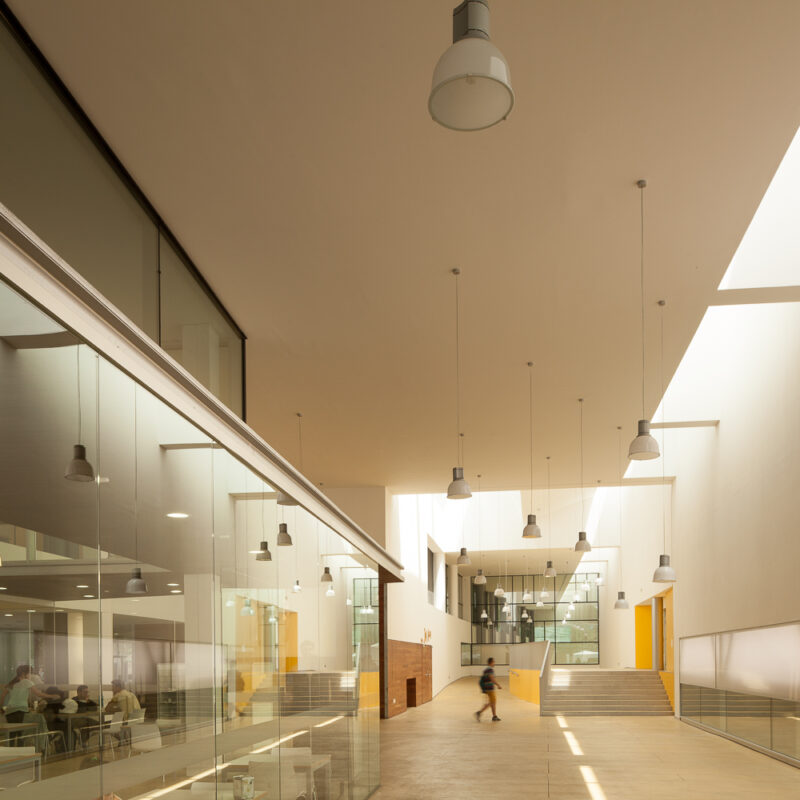
Through its undergraduate and graduate programs, the Department of Medicine and Life Sciences (MELIS-UPF) delivers premier university training at the Faculty of Health and Life Sciences. Founded in 1998 with an innovative Bachelor’s Degree in Human Biology based on small-group instruction and problem-based learning (PBL), the Faculty has steadily expanded its academic offerings. It subsequently launched an undergraduate degree in Bioengineering alongside the UPF Department of Engineering, followed by a pioneering joint Bachelor’s Degree in Medicine with the Hospital del Mar. These programs are complemented by competitive master’s degrees and an internationally recognized PhD Program in Biomedicine.
Aligned with European Higher Education Area (EHEA) guidelines from its inception, the Faculty’s educational quality has earned multiple Vicens Vives awards from the Government of Catalonia for both collective teaching excellence and individual academic achievements.
Looking ahead, the Faculty continues to evolve its catalog to meet emerging global demands. Beginning in the 2025–2026 academic year, the degree in Human Biology is being progressively phased out to launch a new Bachelor’s Degree in Biomedical Sciences. This multidisciplinary program blends biology, chemistry, physics, and medicine to tackle contemporary healthcare challenges in both clinical and research environments. Co-designed with key external stakeholders—including scientific societies, patient associations, and healthcare enterprises—this new curriculum is strategically structured to maximize graduate employability and equip students to contribute meaningfully to international research and innovation.
These results are reflected in the UPF position in international rankings. In the Times Higher Education ranking (2026), UPF is the 3rd ranked Spanish university, and 83rd European university. UPF is also the 1st university in Spain in the U-Ranking 2025 (Fundación BBVA – Ivie, which integrates indicators in teaching, research, and technological innovation). Furthermore, regarding the Leiden 2025 ranking by subject, UPF is the 1st university in Spain for life and earth sciences and the 3rd for biomedical and health sciences. Our medical students consistently achieve outstanding results in the national resident medical exam (MIR). Around 90% of our graduates regularly rank within the top performance tier (the highest percentiles), positioning UPF among the top three Spanish universities for medical exam performance. Furthermore, according to the latest U-Ranking reports issued by the BBVA Foundation and the Ivie, UPF continues to be recognized as the leading university in Spain for academic performance and teaching quality in Medicine.
Clinical Simulation:
Pioneering Hands-On Innovation in Medical Education
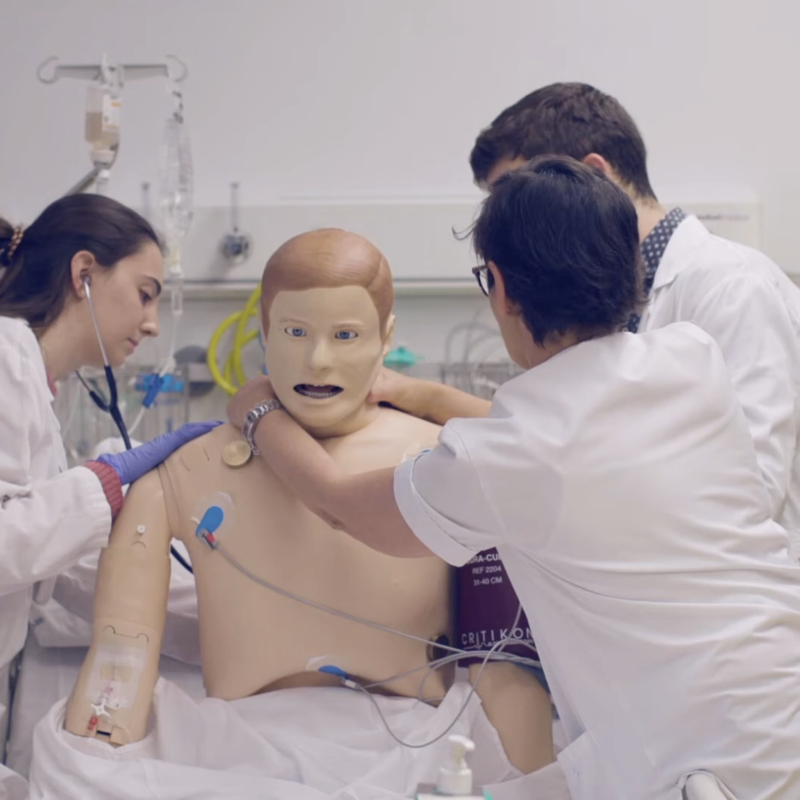
Medical students also participate in cases using clinical simulation methodology, a unique program is coordinated by Dr. Meritxell Girvent. Clinical simulation has become an essential learning tool in training future healthcare professionals at the Faculty of Health and Life Sciences. This methodology allows Medical students to resolve real-world clinical situations within a safe, controlled environment that emulates reality. By tackling cases tailored to their specific level of knowledge, students can actively apply both theoretical contents and crucial communication skills, such as managing difficult patient interviews.
Currently, clinical simulation is fully integrated into 24 subjects across the degree, and Faculty members play a pivotal role in this framework, both in designing the clinical cases and managing the sessions, which are structured around three core phases:
- Prebriefing: The instructor establishes a psychologically safe environment and contextualises the scenario, outline basic case details, and define the activity’s learning objectives to ensure full student engagement.
- Scenario: Once initial questions are resolved, the action begins. Students actively work to resolve the case while the instructor observes their performance without interference.
- Debriefing: The session concludes with a structured, reflective conversation where instructors guide students through an analysis of their actions. This critical phase allows students to evaluate their decisions, identify successes and errors, and integrate lessons learned, serving as the cornerstone for consolidating knowledge.
Medical students also participate in cases using clinical simulation methodology, a unique program is coordinated by Dr. Meritxell Girvent. Clinical simulation has become an essential learning tool in training future healthcare professionals at the Faculty of Health and Life Sciences.
Moving Towards Interprofessional Training (2026–2027)
Looking ahead to the first term of the 2026–2027 academic year, the Faculty will launch pioneering interprofessional simulation sessions within the UPF Medicine framework. To mirror the authentic dynamics of a healthcare team, these sessions will bring together Medical students from UPF, Nursing students from the Escola Superior d’Infermeria Hospital del Mar, and Assistant Nursing Care students from the Hospital del Mar Institut FP Sanitària.
These collaborative exercises will focus heavily on mastering key non-technical, transversal competencies essential for safe patient care, including teamwork, effective communication, and leadership. The ultimate goal is to prepare students for the realities of the clinical workforce within a risk-free environment.
As part of our ongoing strategic planning, the Faculty aims to deeply embed this methodology across an even wider range of subjects. Feedback from students has been outstandingly positive, highlighting simulation as a highly motivating and effective tool that significantly enhances their clinical readiness and knowledge integration.
Educational Innovation:
Institutional Impact, Research, and Academic Recognition
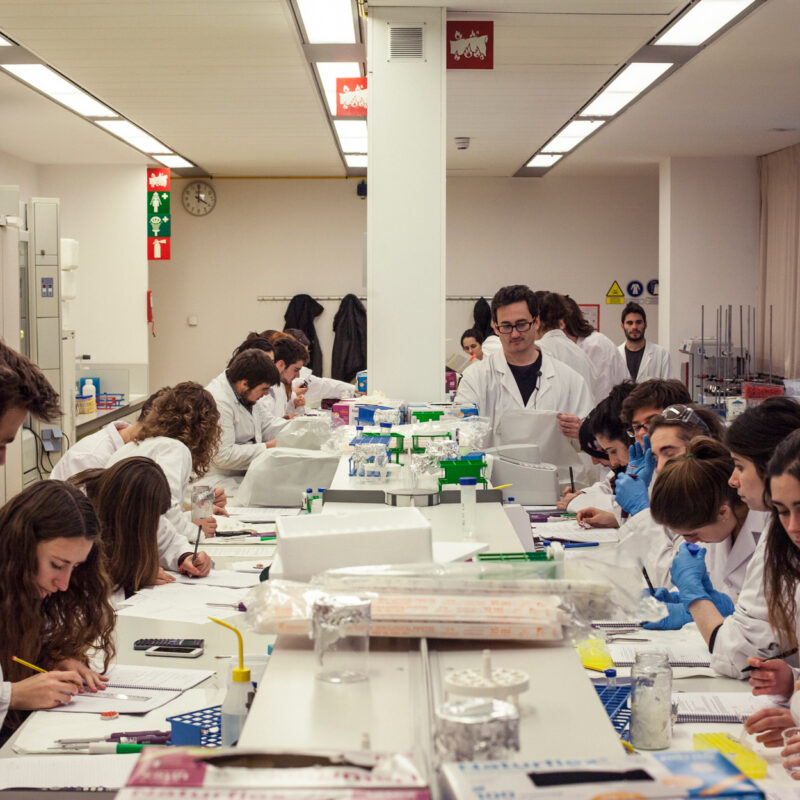
During 2025, the Teaching Innovation Unit at the Faculty of Health and Life Sciences played a pivotal role in managing and coordinating the institution’s core transversal programs. Under the direction of Dr. Elisabeth Moyano, the Unit’s sustained operational support included organizing the Faculty’s Tutoring Program by assigning tutors and managing quarterly communications for both Human Biology and Medicine degrees. The Teaching Innovation Unit also drove the Transversal Competencies Program. During the second term, the program’s coordinator, Dr. Marc Talló, led introductory briefing sessions for first-year students to explain the UPF «Passaport» initiative, guide them through the Mahara platform, and outline the structure of the Transversal Competencies Portfolio using reflection sheets. This early intervention serves as a foundational roadmap, preparing students well before they officially begin compiling their Passaport and Portfolio activities in the second term of their second year. Furthermore, the unit provided continuous support to both students and faculty, managed the final evaluation of fourth-year portfolios, oversaw all clinical simulation activities, and administered the Avalua’t virtual classroom for self-directed learning.
Building upon this solid foundational framework, the unit significantly advanced its competitive research and strategic initiatives. Two high-impact projects stood out during this period: the PlaCLIK project (Ref. E2024018210), led by Dr. Elisabeth Moyano, which focused on workshops to integrate the transversal competencies portfolio into the Human Biology curriculum, and a prestigious medical education research grant awarded by the Sociedad Española de Educación Médica y Ciencias de la Salud (SEDEM). Co-led by Drs. Elisabeth Moyano and Joan Ramon Masclans, this latter project evaluates the combination of active methodologies and cinema-education to foster critical thinking and interpersonal skills. These milestones were complemented by active participation in national and international medical education networks, such as the Conferencia de Decanos de Medicina de España and the European project IRECS-Horizon Europe, alongside a robust scientific output of international publications and conference presentations. Reflecting this institutional dedication to teaching quality, the team received prominent external accolades, including the Ribera Casado Award for Geriatrics training at the SEGG National Congress, alongside internal recognitions, notably the Excellent Teaching Award granted to Dr. Meritxell Girvent by the UPF Teaching Commission.
Academic programs
Bachelor Degrees
Biomedical Sciences
(formerly Human Biology)
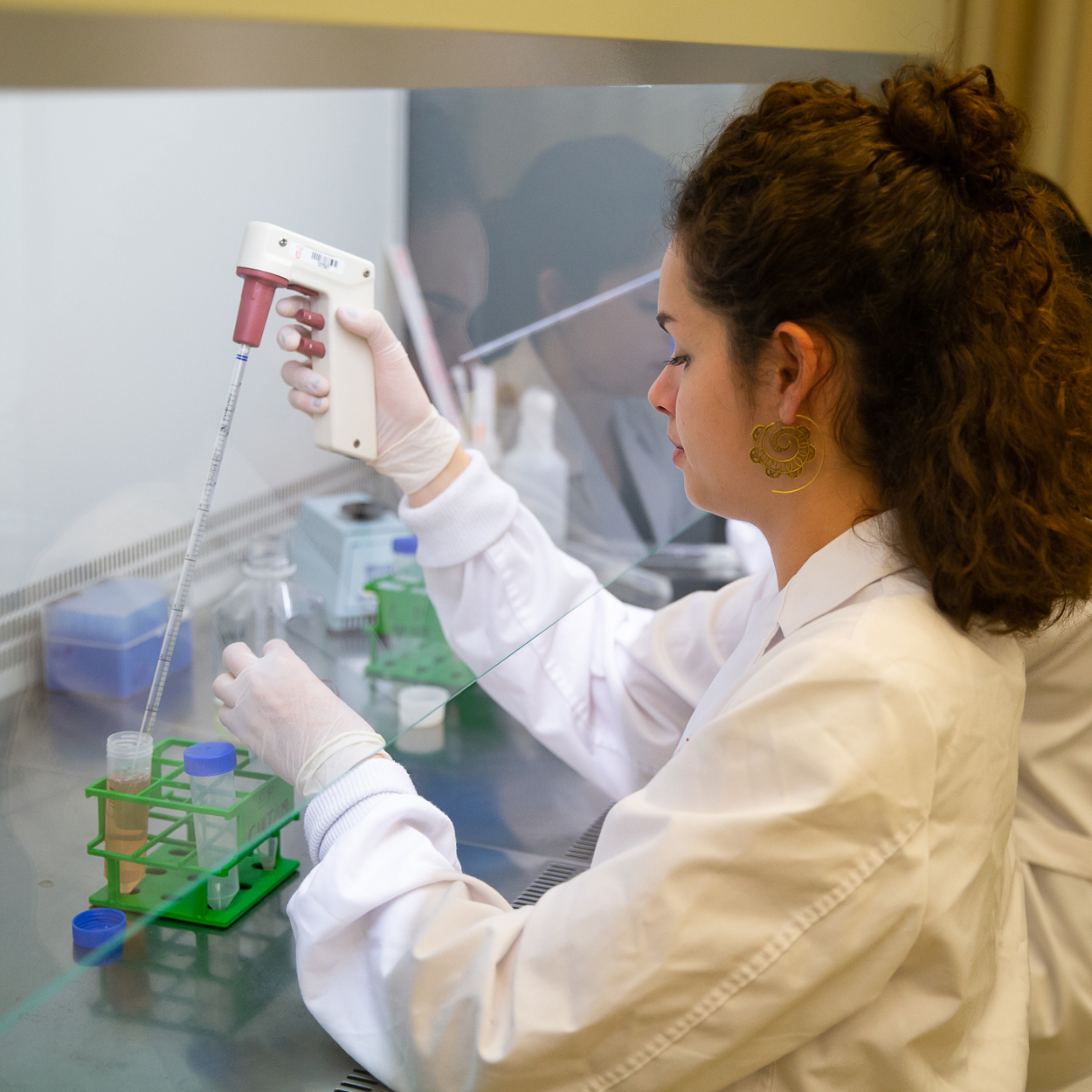
The degree in Biomedical Sciences is specially designed to enable graduates to work professionally in three major fields: the pharmaceutical and biotechnological industry, clinical laboratories and biomedical research.
Medicine
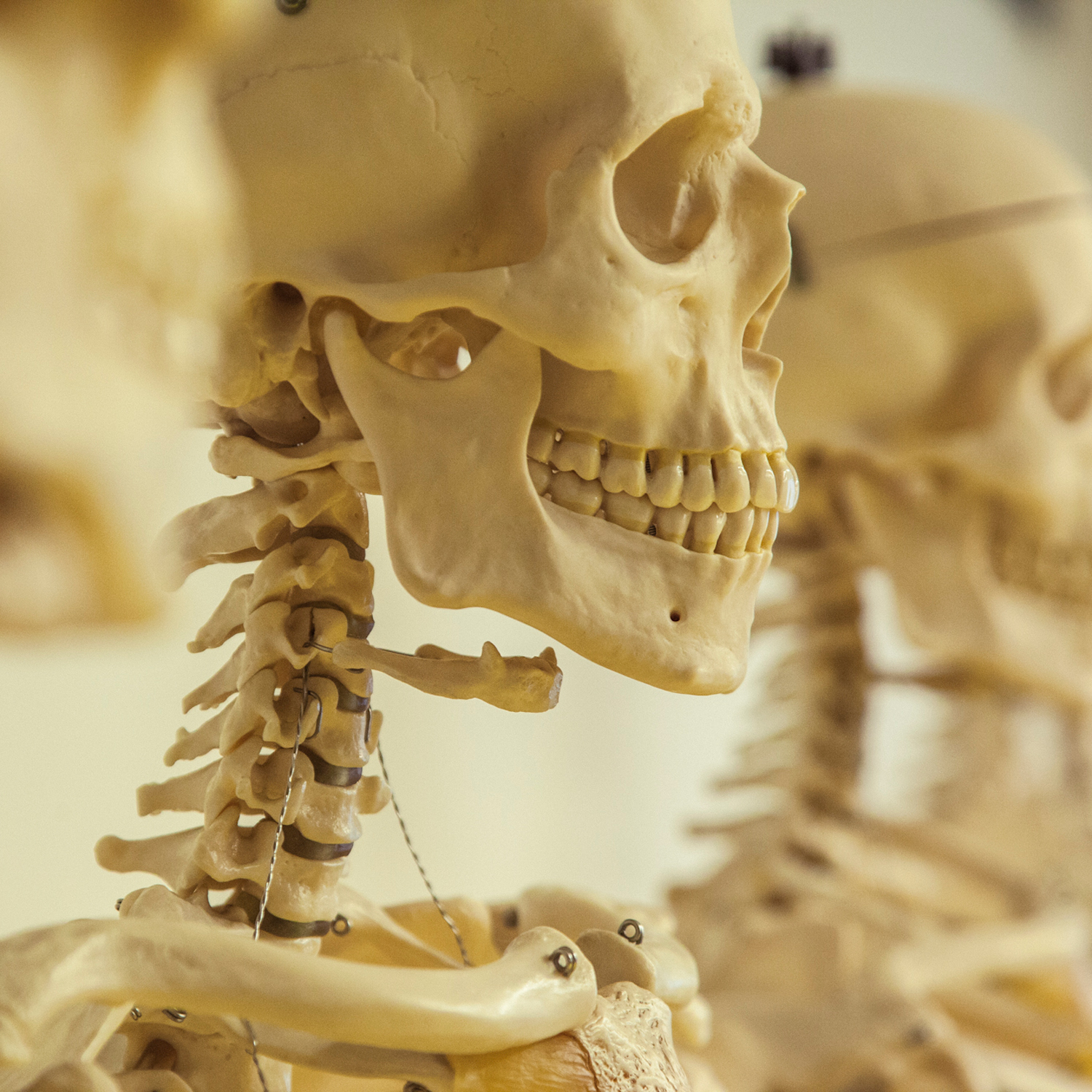
The Faculty’s MD studies are characterized by the robust relationship between biomedical research and clinical practice.
Biomedical Engineering
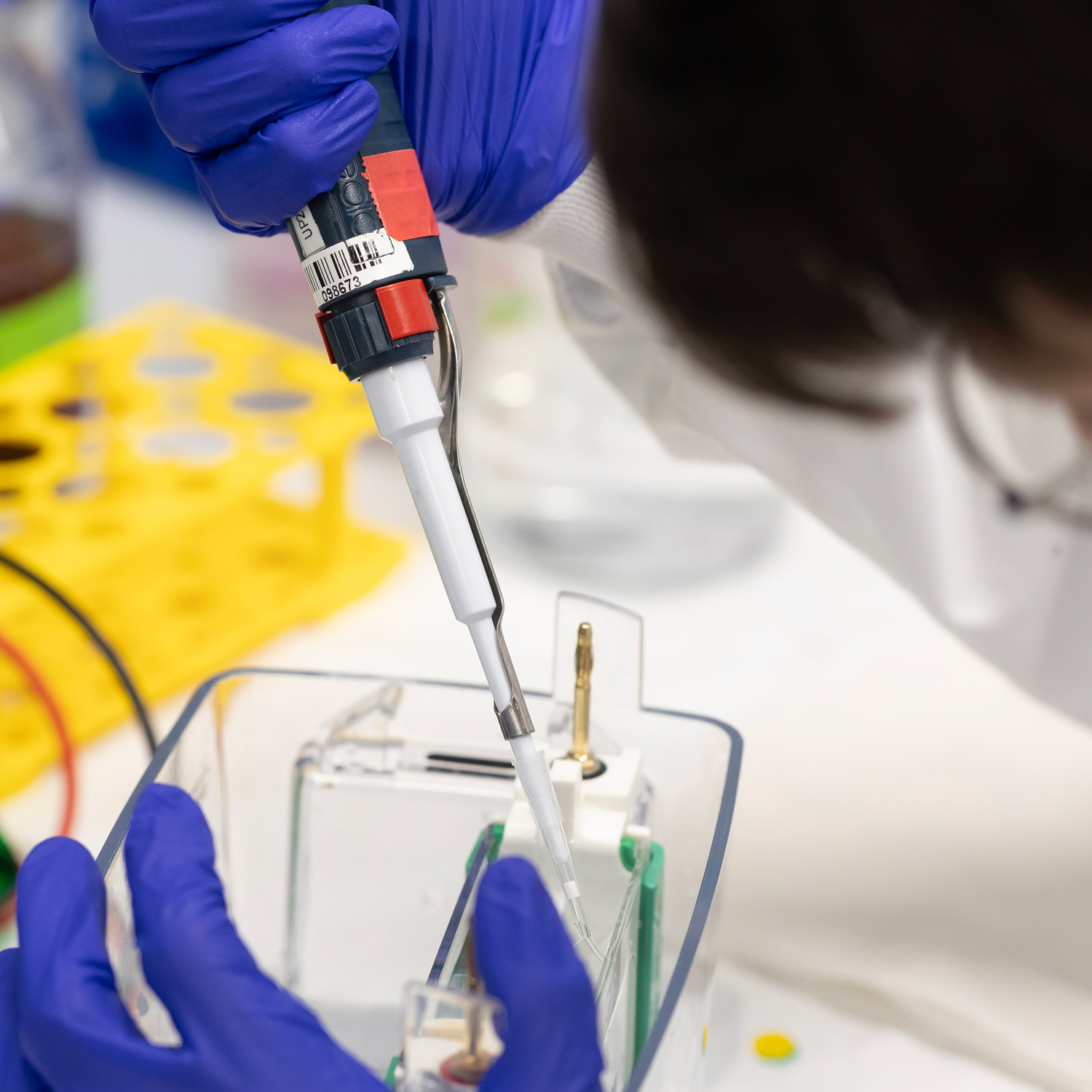
An interdisciplinary degree that provides education in the fields of biomedicine, technology, and biomedical computational modelling.

Bioinformatics (UPC-UPF-UAB-UB)
Comprehensive education and training delivered through computing and science subjects with a solid grounding in biology.
Human Nutrition and Dietetics
(UOC – UPF)
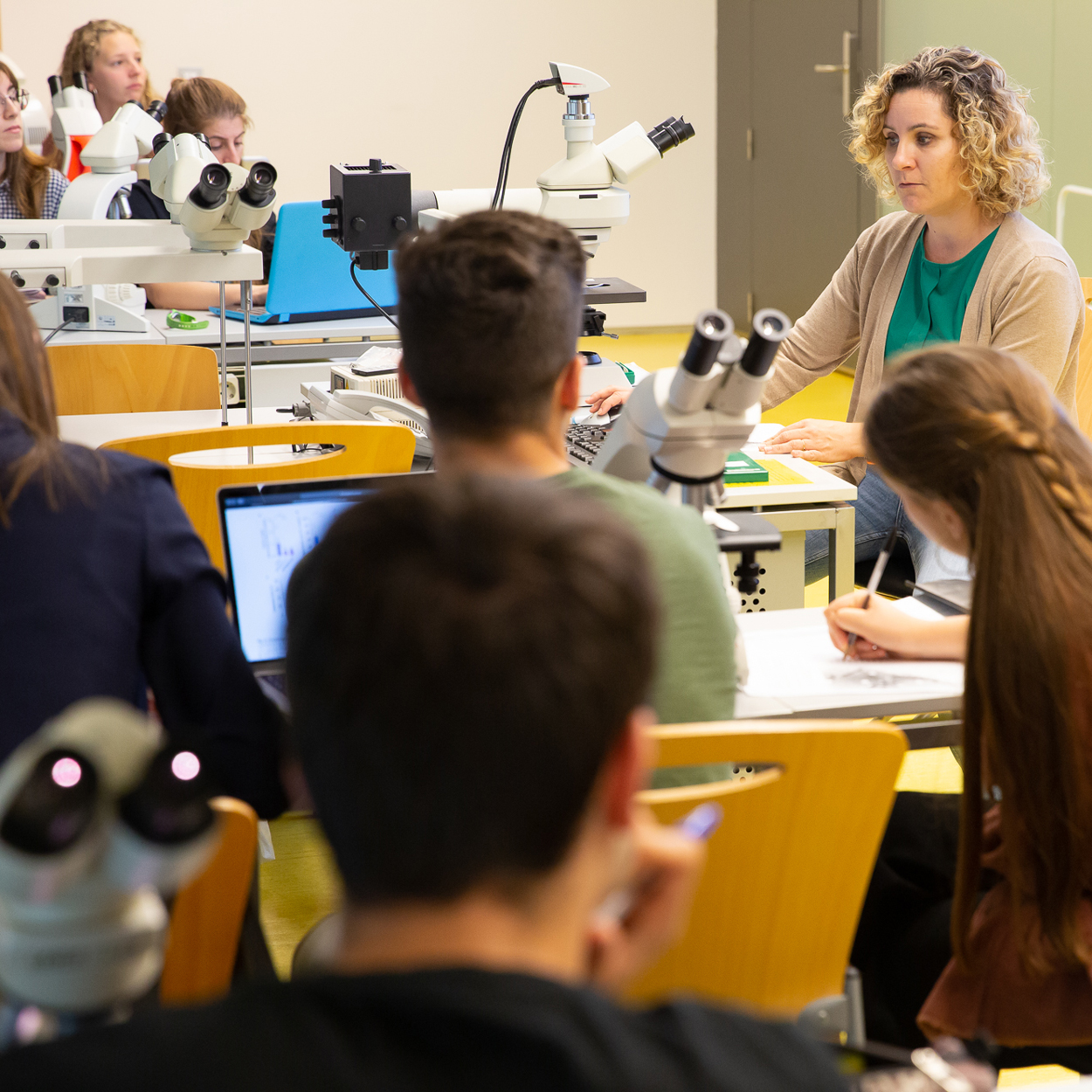
This degree provides a solid base of knowledge and skills in nutrition and dietetics with a focus on health.
Master’s programs

Bioinformatics for Health Sciences
The Master’s program in Bioinformatics for Health Sciences is designed to provide professionals and researchers with skills and abilities geared towards the development of new computational strategies and IT systems for their use in biomedical research.
Pharmaceutical Industry and Biotechnology
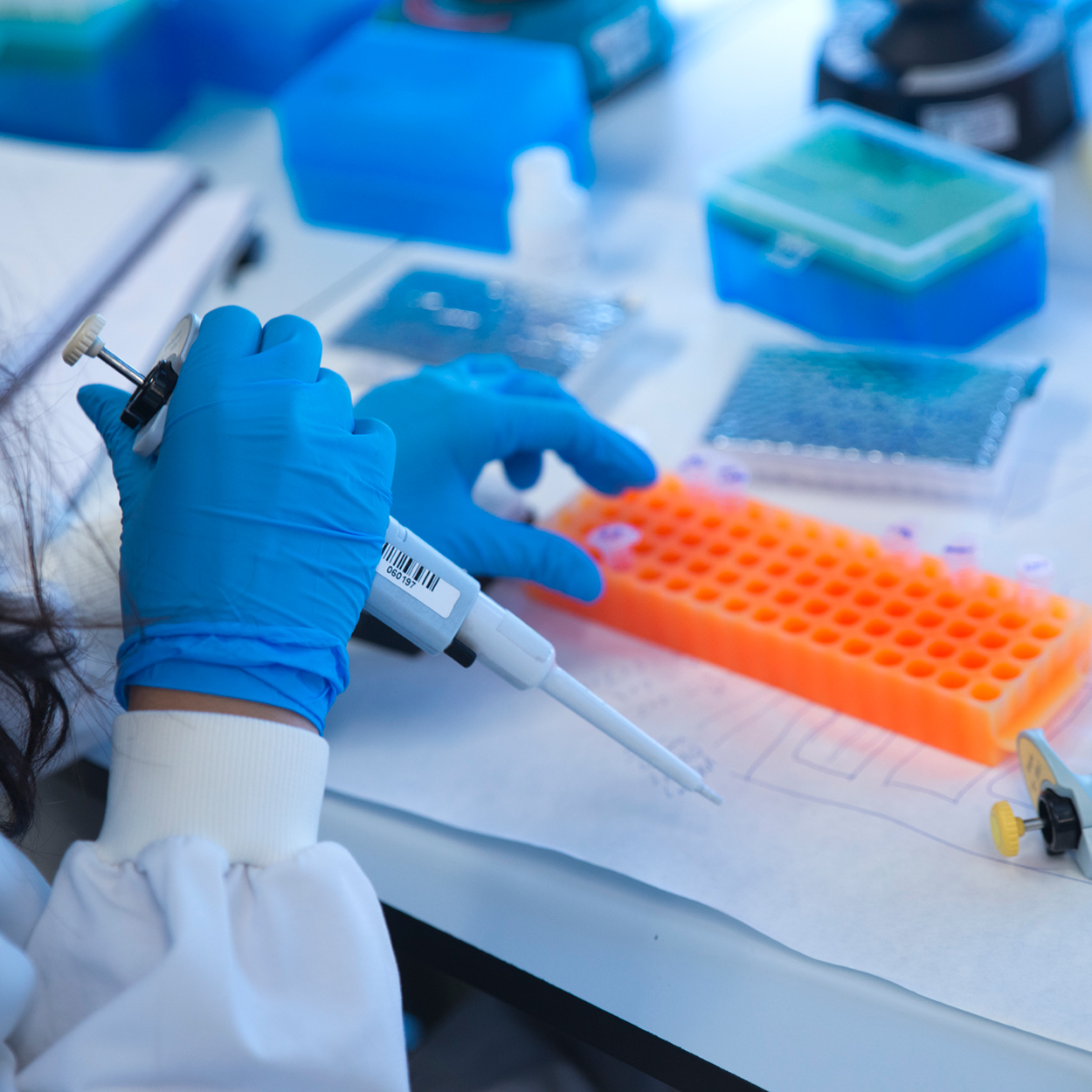
The primary aim of this Master’s program is to train students in the area of companies dedicated to the research of drugs and biotechnology products to prevent and treat human diseases.
Biomedical Research
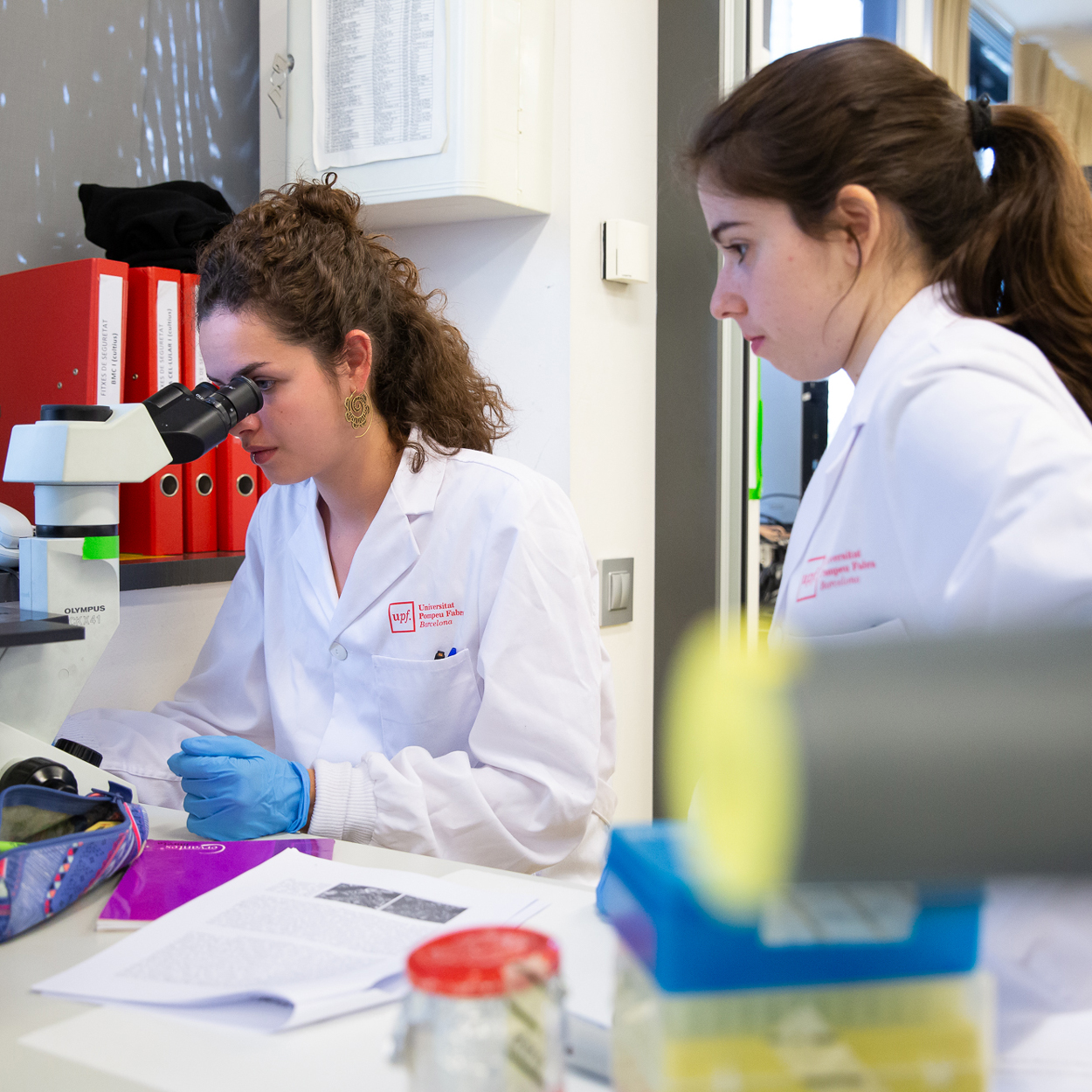
The Master’s degree in Biomedical Research focuses on the study of the molecular, cellular, physiological, and evolutionary bases of biological processes and their pathological or adaptive alterations, and is mainly aimed at students who wish to obtain a PhD in different fields of Biomedicine.

Public Health
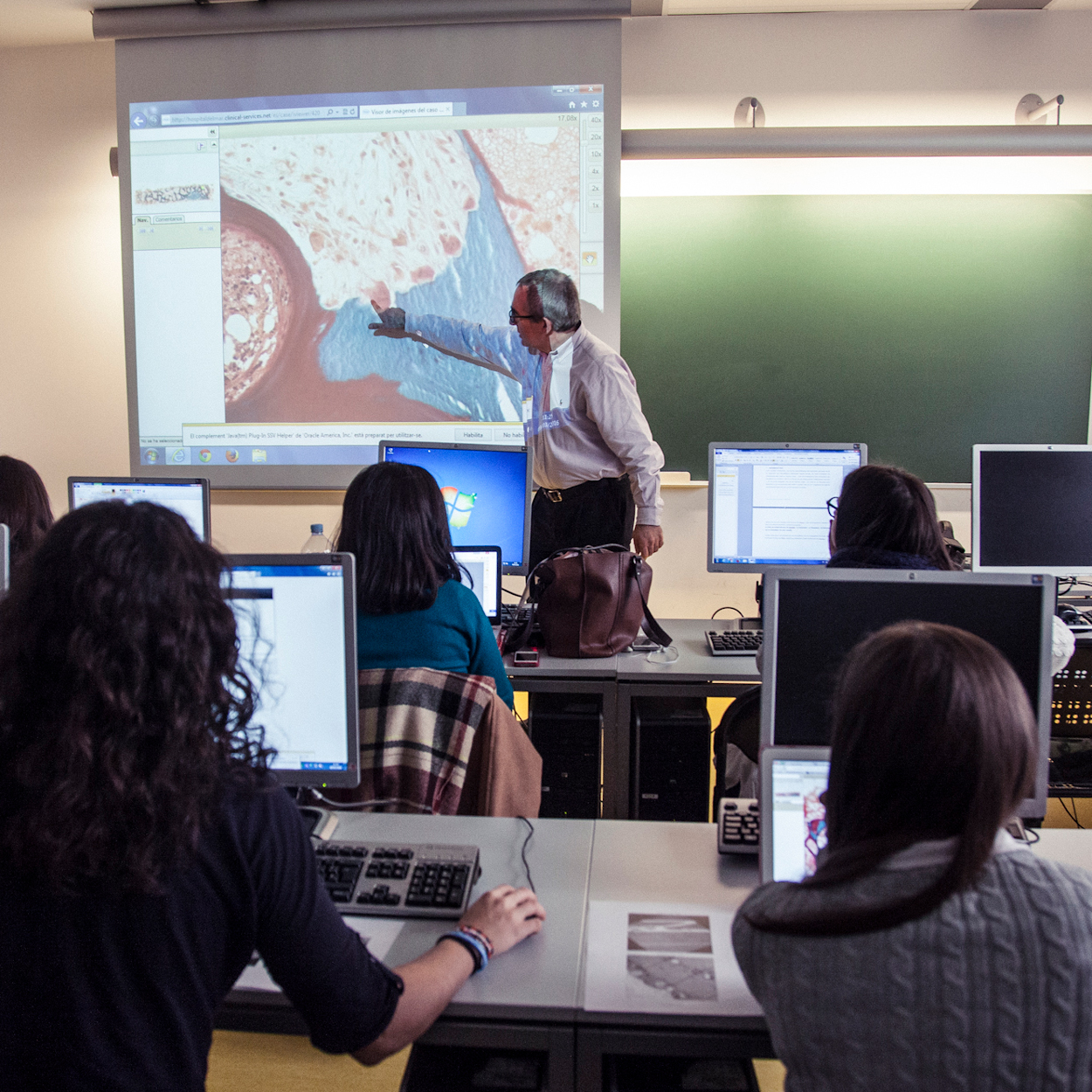
The primary objective of the master’s program in Public Health is to enable students to understand health and disease processes and their determinants from the point of view of the population and to address health issues by means of collective interventions to promote, protect, and restore health.
Pre-service science teacher training
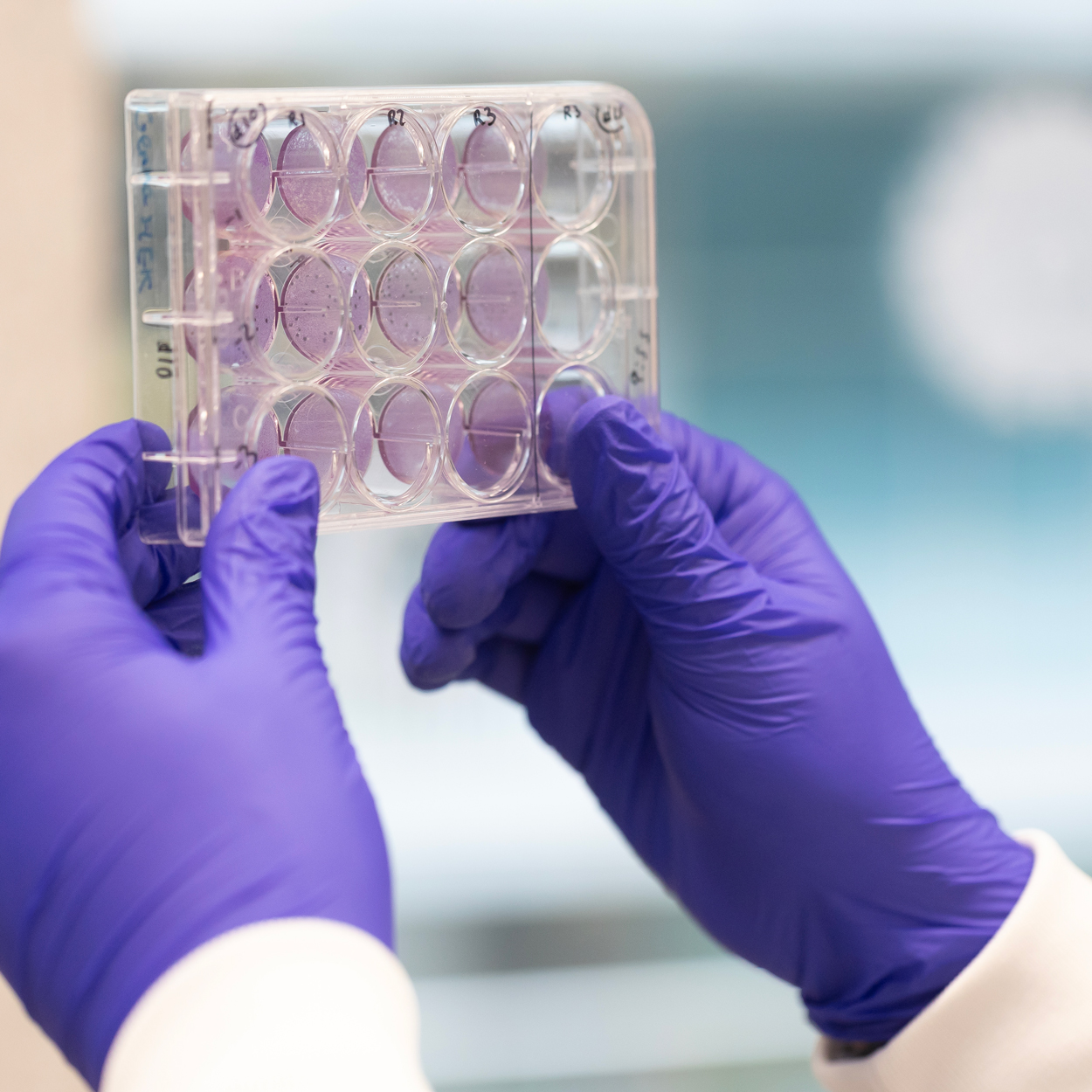
This master’s is addressed to high school science teachers, and it provides them with knowledge on the regulation and organisation of centres, an initiation to research, and tools (especially ICT) for their teaching activity.
Master of Multidisciplinary Research in Experimental Sciences – MRES (coordinated with the BIST)
The program offers highly flexible and personalized hands-on research training in a multidisciplinary research environment. In addition to the research aspect, the master’s will also develop talented scientists through experiential training in professional skills such as scientific communication, project management, responsible research, and innovation.
PhD in Bioinformatics for Health Sciences
Bioinformatics for Health Sciences
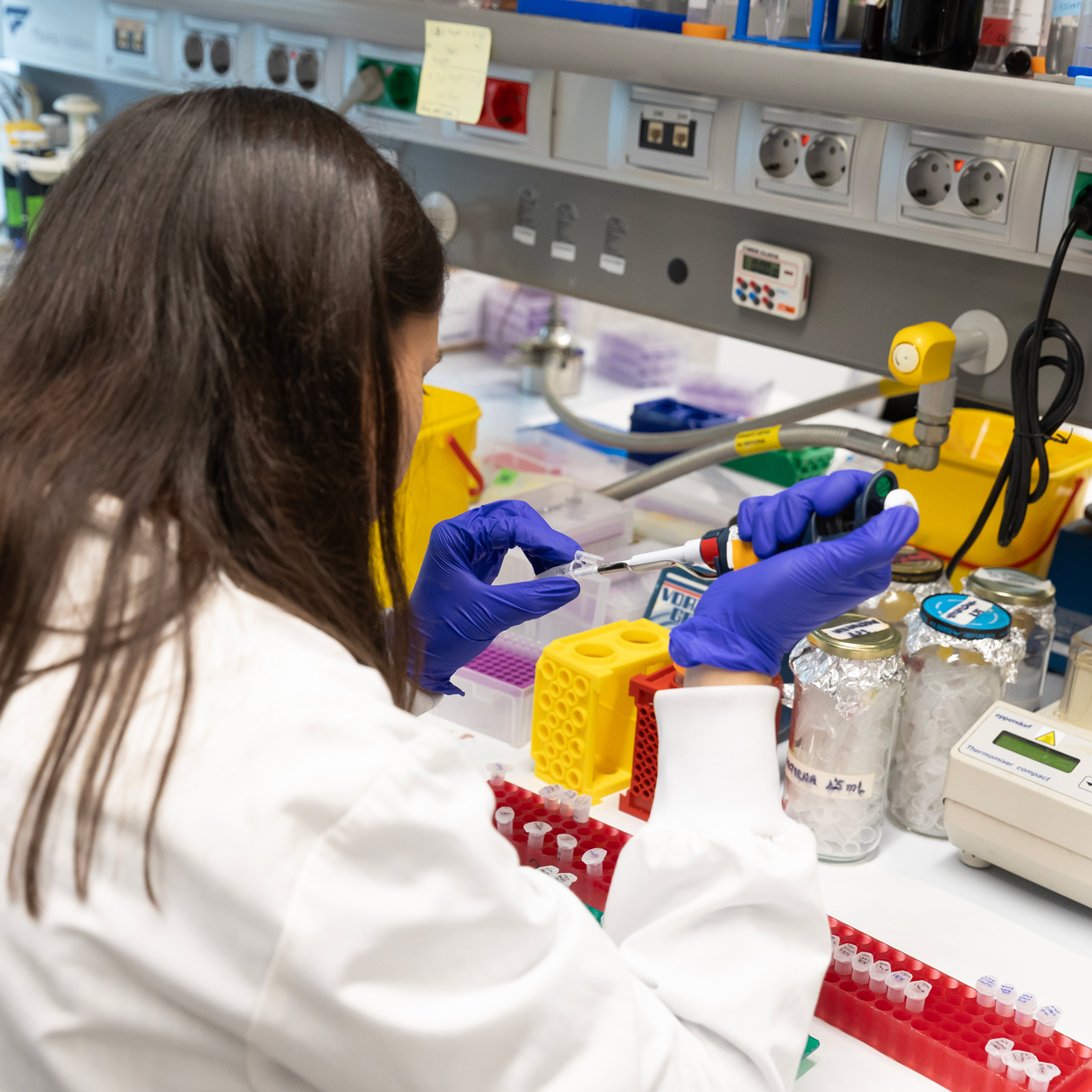
The PhD Program in Biomedicine forms part of the UPF Doctoral School and provides graduate students with a training framework to develop a research project and complete a doctoral thesis in the fields of health and life sciences, which allows them to become scientists. More than 400 doctoral students are currently enrolled in the program, most of them conducting their research in public institutions within the PRBB. The UPF’s PhD program in Biomedicine follows the latest regulations for doctoral studies in Spain, as established by Royal Decree (RD) 576/2023 of July 4, which amends Royal Decree 99/2011 of January 28 regulating official doctoral programs.
This decree was introduced to comply with the guidelines and recommendations of the European Higher Education Area (EHEA) on doctoral studies. All its training activities are carried out in English, and every year the program attracts a large number of students from abroad. These activities aim at preparing students to become independent researchers seeking a scientific career. Successful candidates will have access to a wide range of academic activities, and ad hoc training in scientific skills, and access to the PRBB Intervals program, an interdisciplinary education program for professionals working in the PRBB. In February 2019, the Catalan University Quality Assurance Agency, AQU Catalunya, awarded the program the maximum qualification of Excellence Accreditation label. The awarded PhD degree complies with the requirements of the Spanish National Agency for the Evaluation, Quality, and Accreditation (ANECA, 2024). This milestone certifies the department’s internal quality assurance mechanisms and guarantees the highest European standards in doctoral training for a six-year term.